
Traditional Procurement vs. Design & Build: Making the Right Choice for Your Project
A clear comparison of Traditional Procurement and Design & Build—so you can choose the route that fits your budget, risk tolerance, and timeline.

Understanding Traditional Procurement and Design & Build
Choosing Between Traditional Procurement and Design & Build
As an architect with over 20 years of experience in a small contemporary, design-led studio focused on low energy and low embodied carbon designs, I’m frequently asked which approach is best: traditional procurement or design & build. There’s no single answer — it depends on your project and priorities.
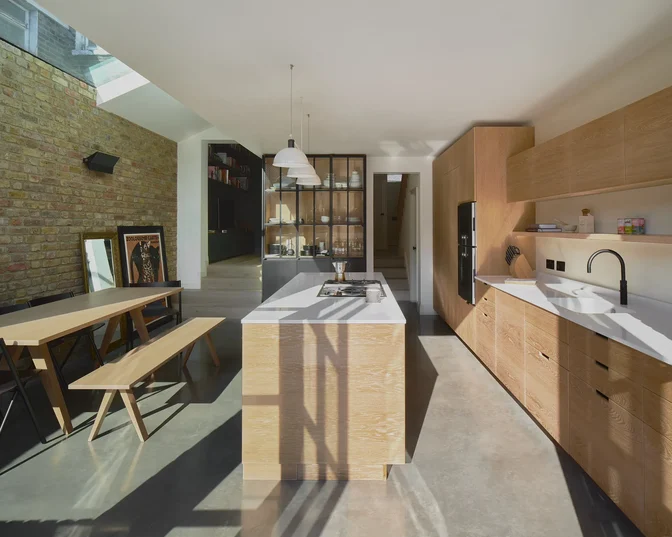
Pros & cons of each route, explained in plain English.
Match the route to your priorities: design, cost, speed, risk.
Traditional Procurement
Traditional procurement is a tried-and-tested approach that has been in use since the Victorian era. You appoint a qualified architect, develop the design, obtain planning permission, then invite contractors to tender. You select the builder based on price, quality, programme — or a mix.
Appoint architect and develop design
Secure planning permission + technical pack
Tender contractors and appoint best fit
Construction follows drawings + specifications
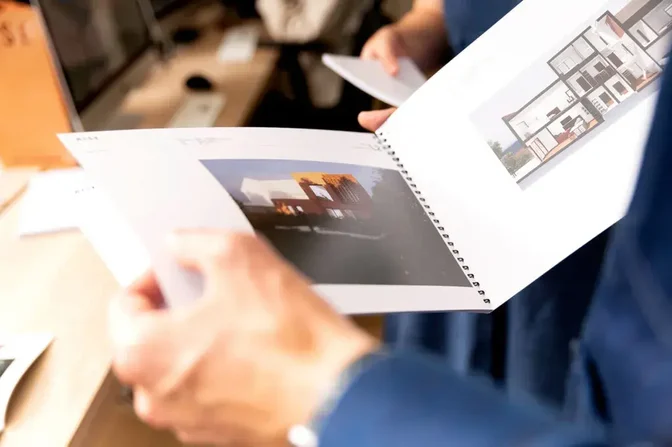
Advantages
- Strong one-to-one relationship with the design team
- Greater control over decisions and outcomes
- Flexibility in selecting specialists and consultants
- Transparent tender process for choosing builders
- Clear brief and scope for complex projects
Disadvantages
- More coordination (unless architect is project manager)
- Less cost predictability without a Quantity Surveyor
- Tender stage after planning can extend timeline
Design & Build
Design & Build is the main alternative where you appoint a contractor early (often via tender). The contractor assumes responsibility for delivery from early stages through to handover. This can reduce your workload — but it can also reduce your control.
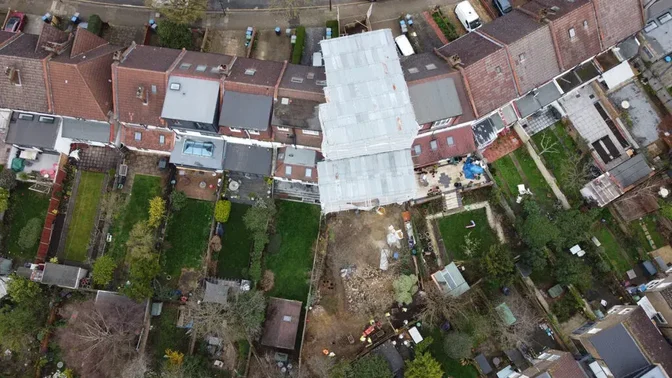
Advantages
- Single entity responsible for delivery
- Greater early cost clarity (with exceptions)
- Planning + construction can overlap
- Contractor involvement may improve buildability
Disadvantages
- Reduced control over the final outcome
- Risk of quality compromise to protect margin
- Less flexibility once scope is locked
- Fewer contractors offer true D&B services
Matching Priorities with Procurement Routes
Before choosing, list your priorities in order: design control, speed, cost certainty, quality, flexibility, and risk. Then compare routes honestly against that list.
“ Hybrid systems like Develop & Construct can combine benefits of both routes — concept by an architect, then contractor develops and builds — but success depends on trust and collaboration.
Which Procurement Method Should You Choose?
Trade-offs are unavoidable: bespoke craftsmanship usually extends timelines. The fastest build and the most meticulously crafted outcome are rarely the same.
A practical recommendation is: Traditional procurement for design excellence and long-term value. Design & Build may suit straightforward, cost-sensitive projects (often under £100,000).
